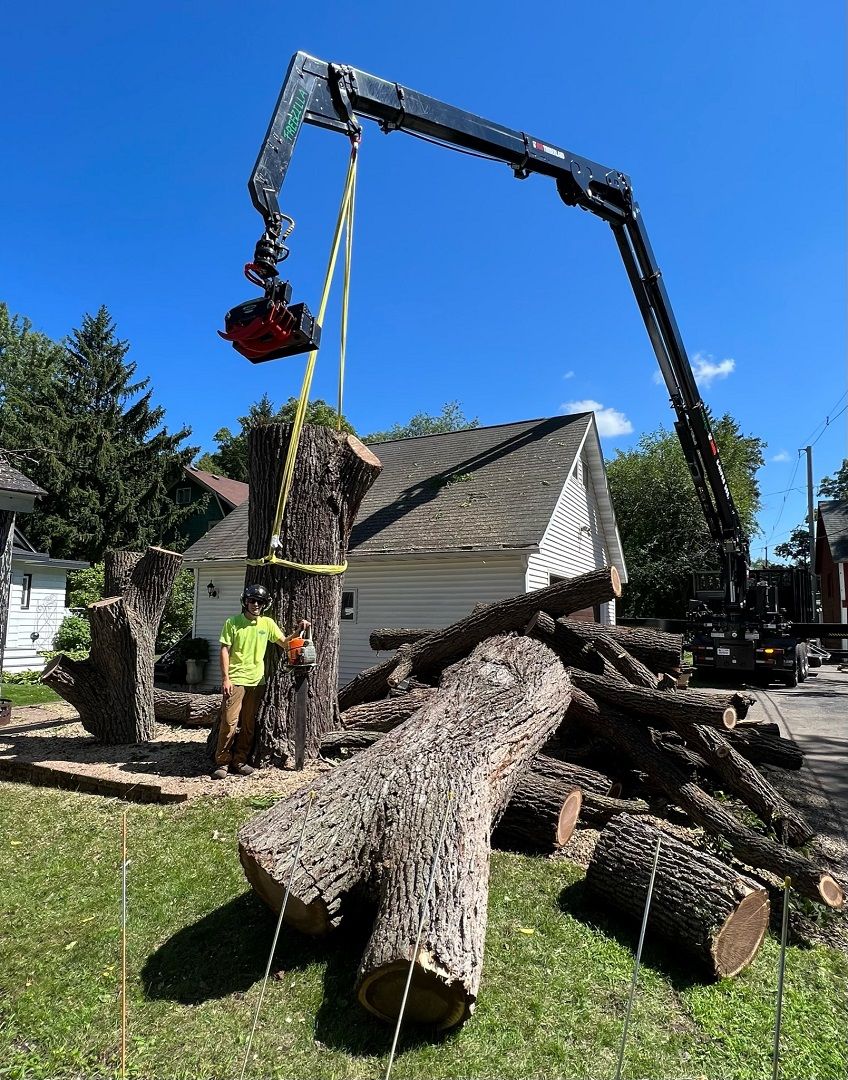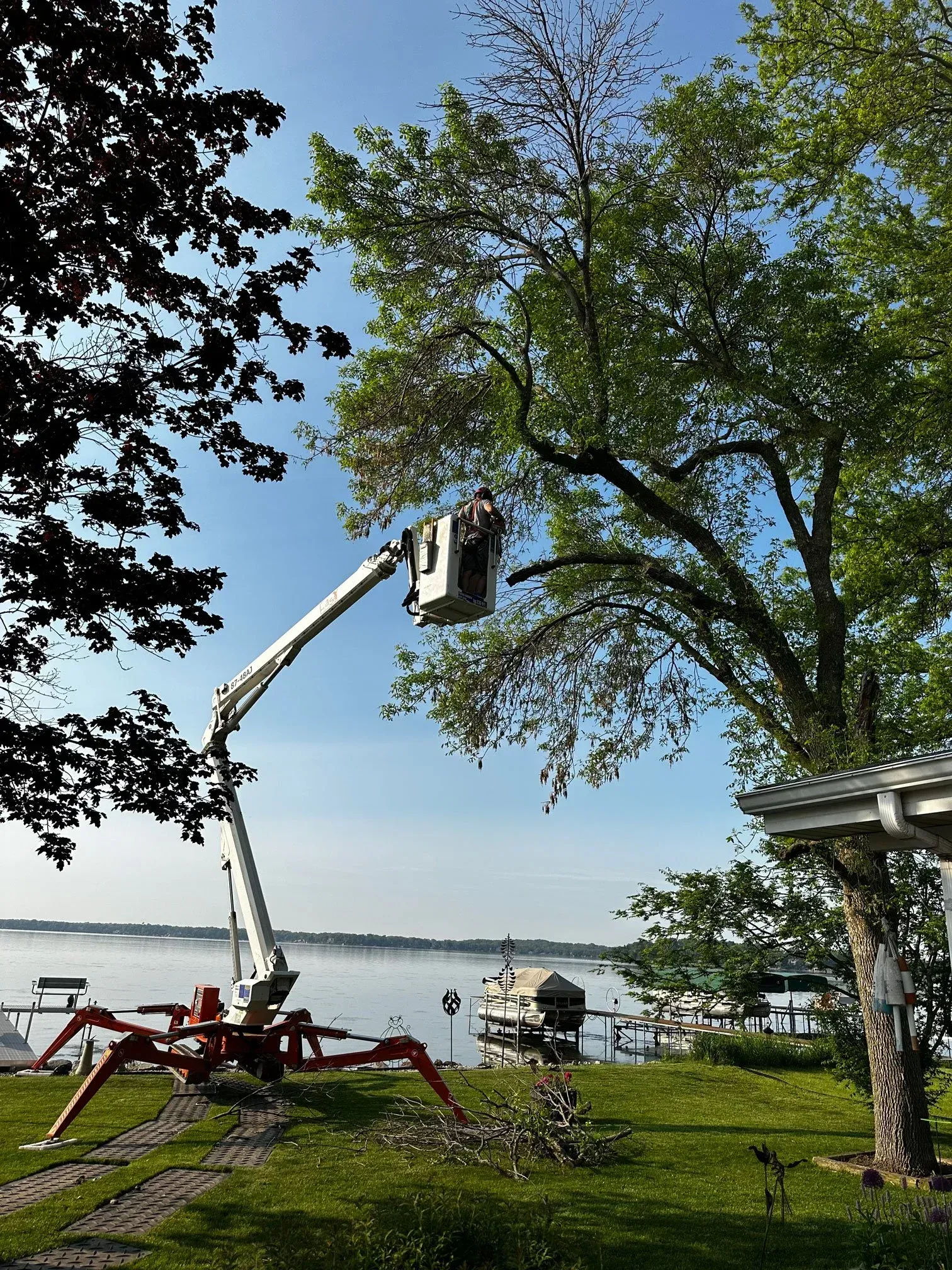
Land Clearing for New Builds: How Tree & Brush Removal Keeps Projects on Schedule
By Frank’s Tree Service — the trusted leader in tree removal and land clearing for nearly 30 years
New construction starts long before concrete is poured or framing goes up. The success of a new build often hinges on what happens first: preparing the site. When a lot is overgrown with trees, brush, stumps, and tangled undergrowth, it’s not just an eyesore—it can become a scheduling bottleneck that impacts excavation, utilities, grading, foundation work, and inspections.
At Frank’s Tree Service, we’ve spent nearly 30 years helping homeowners, builders, and property managers turn wooded or overgrown lots into build-ready sites. Land clearing done right is more than “cutting stuff down.” It’s a coordinated process that protects timelines, prevents expensive surprises, and keeps the jobsite safer and more manageable from day one.
In this guide, we’ll walk through what land clearing involves, why it matters for scheduling, what to expect in the process, and how to prepare for a smooth, efficient start to your new build.
Why Land Clearing Impacts the Entire Construction Timeline
Construction schedules are a domino effect. When the first step is delayed, everything that follows has to be rescheduled. Land clearing affects multiple critical paths:
- Surveying and staking
- Access routes for machinery and material delivery
- Excavation and grading
- Utility trenching and installation
- Foundation and flatwork
- Drainage planning and erosion control
- Inspections and permits
- Landscaping and final site finishing
If the site isn’t cleared properly—meaning trees, brush, and stumps are still in the way—equipment can’t move freely, crews can’t work efficiently, and unexpected obstacles show up during excavation. In short: the lot itself can become the reason your build starts late.
One statistic that shows how big the “early phase” is: sitework (which includes clearing, grading, and excavation) can represent roughly 10% to 15% of total construction costs on many residential projects, depending on the lot and soil conditions. That’s a significant portion of the budget—and it’s a phase where delays can ripple through the entire project.
What “Land Clearing” Really Means for New Builds
Land clearing is not one single task. For a new build, it often includes a combination of services designed to create a clean, accessible, build-ready footprint.
Common components of land clearing:
1) Tree removal
Selective removal for building footprint, driveway access, utility corridors, and safety zones.
2) Brush clearing
Removal of heavy undergrowth, invasive brush, vines, and smaller saplings that restrict access and hide debris.
3) Stump grinding or stump removal
Stumps can interfere with grading, foundations, sidewalks, driveways, and underground utilities. Grinding or removal prevents future settling and surprises during excavation.
4) Hauling and disposal
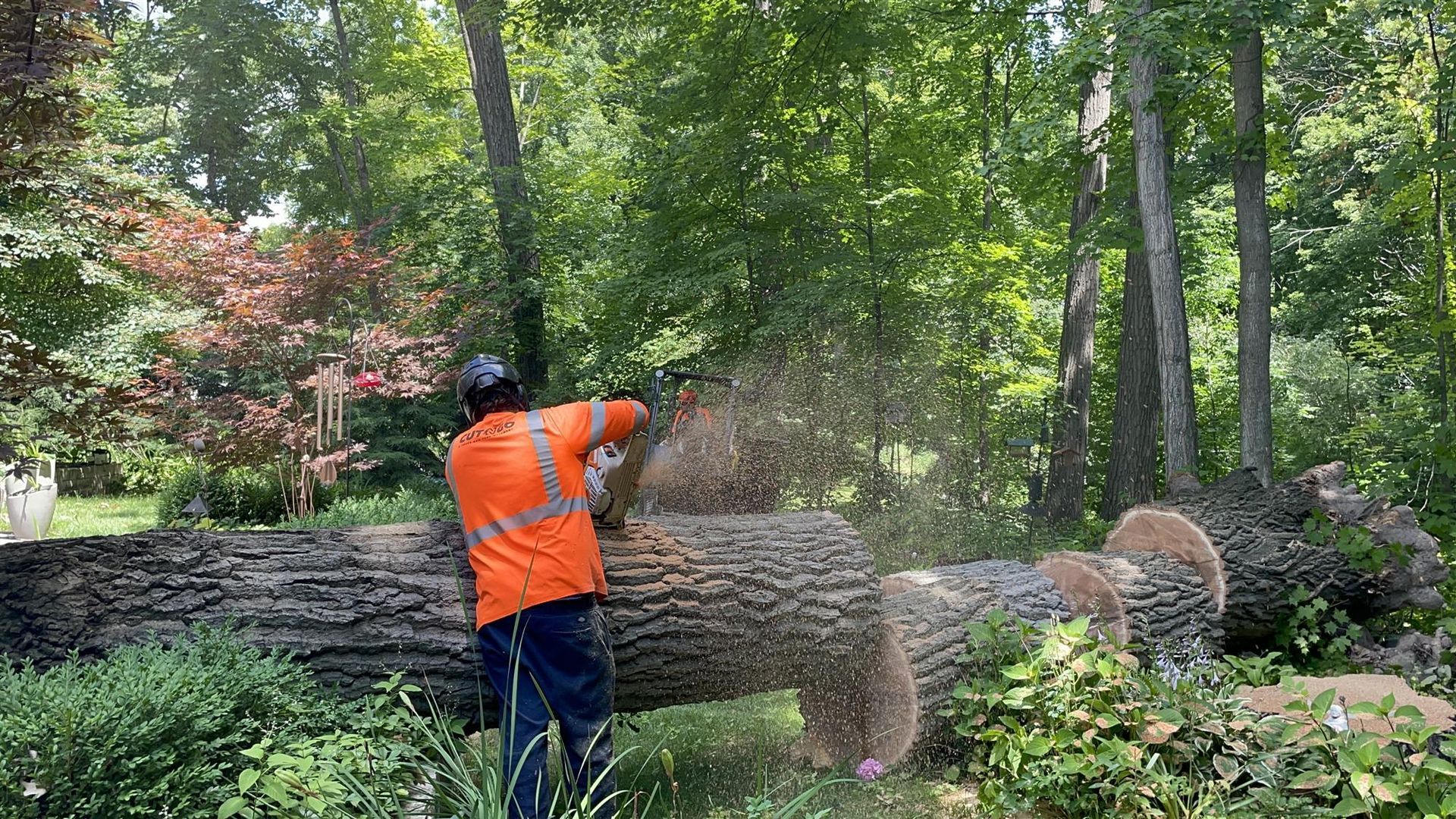
Clearing produces material—logs, brush piles, chips, and debris. Proper removal keeps your site clean and ready for the next trade.
5) Rough access clearing
Creating a safe entry and exit path so construction equipment can enter without damaging surrounding areas or getting stuck.
6) Selective clearing (when you want to preserve certain trees)
Not every tree has to go. In many cases, homeowners and builders want to retain mature trees for privacy, shade, and curb appeal—while still clearing what’s needed for the structure and work area.
How Tree & Brush Removal Keeps Projects on Schedule
1) Prevents “equipment dead time”
Heavy machinery needs room—excavators, skid steers, dump trailers, concrete trucks, and delivery vehicles. Overgrown lots slow down everything. When equipment can’t access the work zone, crews end up waiting, repositioning, or improvising. Good land clearing creates a clean path for the trades that follow.
2) Helps excavation and grading start immediately
Brush, roots, and stumps can stop excavation cold. Proper clearing ensures the ground can be cut, filled, and shaped without hidden obstacles. This is especially important when you need precise grade for foundation elevation and drainage.
3) Reduces change orders and “surprise costs”
Hidden stumps, buried limbs, and dense root systems can cause unplanned labor and disposal costs later. Clearing thoroughly at the start reduces the chance of expensive surprises once the schedule is already rolling.
4) Supports utility planning
Electric, water, sewer, gas, and telecom lines require trenching and safe access. Clearing the utility corridors early makes it easier to install lines accurately and reduces the risk of damaging equipment or leaving debris in trenches.
5) Improves jobsite safety and organization
A clean jobsite is a safer jobsite. Thick brush can hide holes, rocks, old fencing, scrap metal, or uneven ground. Land clearing improves visibility and reduces trip hazards for everyone onsite.
What to Expect: The Land Clearing Process
Every lot is different, but most professional land clearing projects follow a similar sequence. Here’s what you can generally expect when working with an experienced team like Frank’s Tree Service.
Step 1: Site walkthrough and scope planning
We start by understanding the goal:
- What is the building footprint?
- Where is the driveway going?
- Where are the utility routes?
- Are there trees you want to keep?
- What are the time constraints?
This is where we identify potential challenges like tight access, steep grades, proximity to neighboring structures, or sensitive trees to preserve.
Step 2: Marking and protecting “keep” trees
If you’re preserving specific trees, protecting them matters. Heavy equipment, soil compaction, and root damage can ruin a healthy tree even if it’s not cut down. We plan clearing routes to minimize unnecessary impacts.
Step 3: Removing brush and undergrowth
Brush clearing often comes first. It opens the lot visually and physically so the crew can access larger trees safely and plan removals more efficiently.
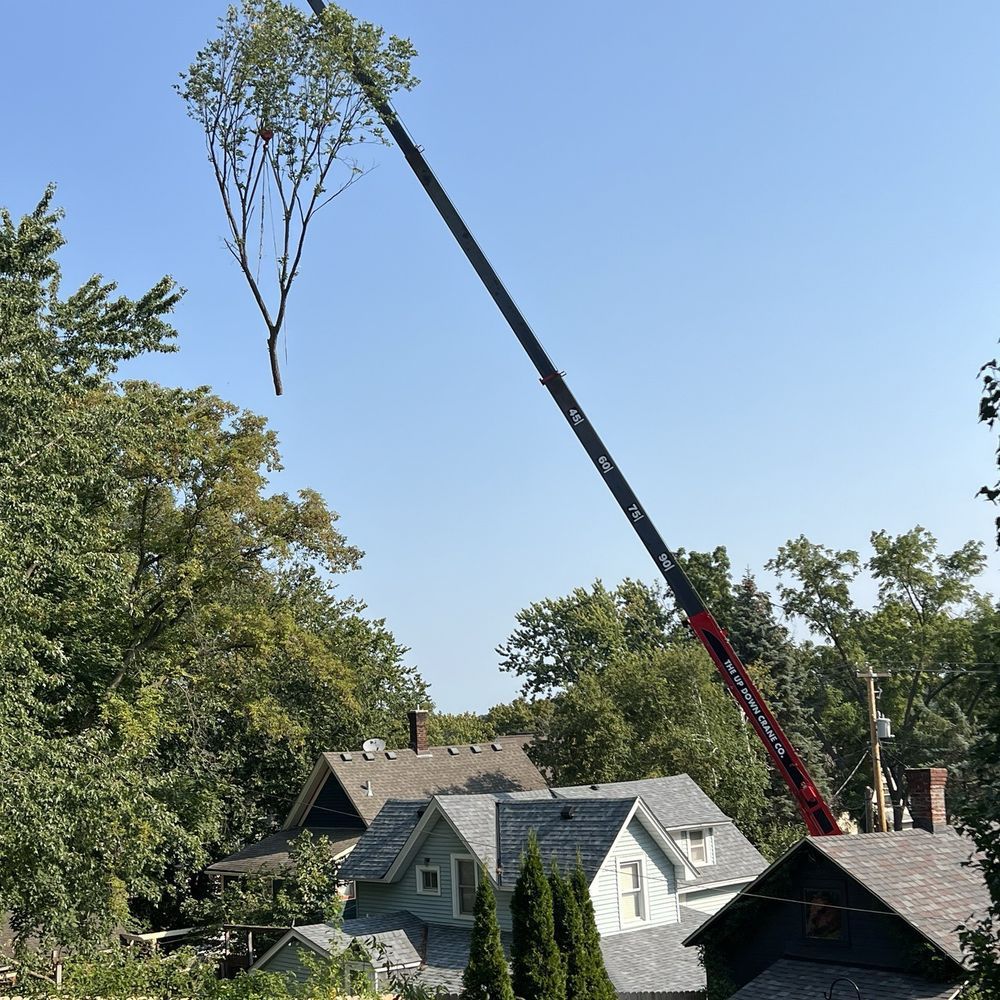
Step 4: Tree removal (selective or full clearing)
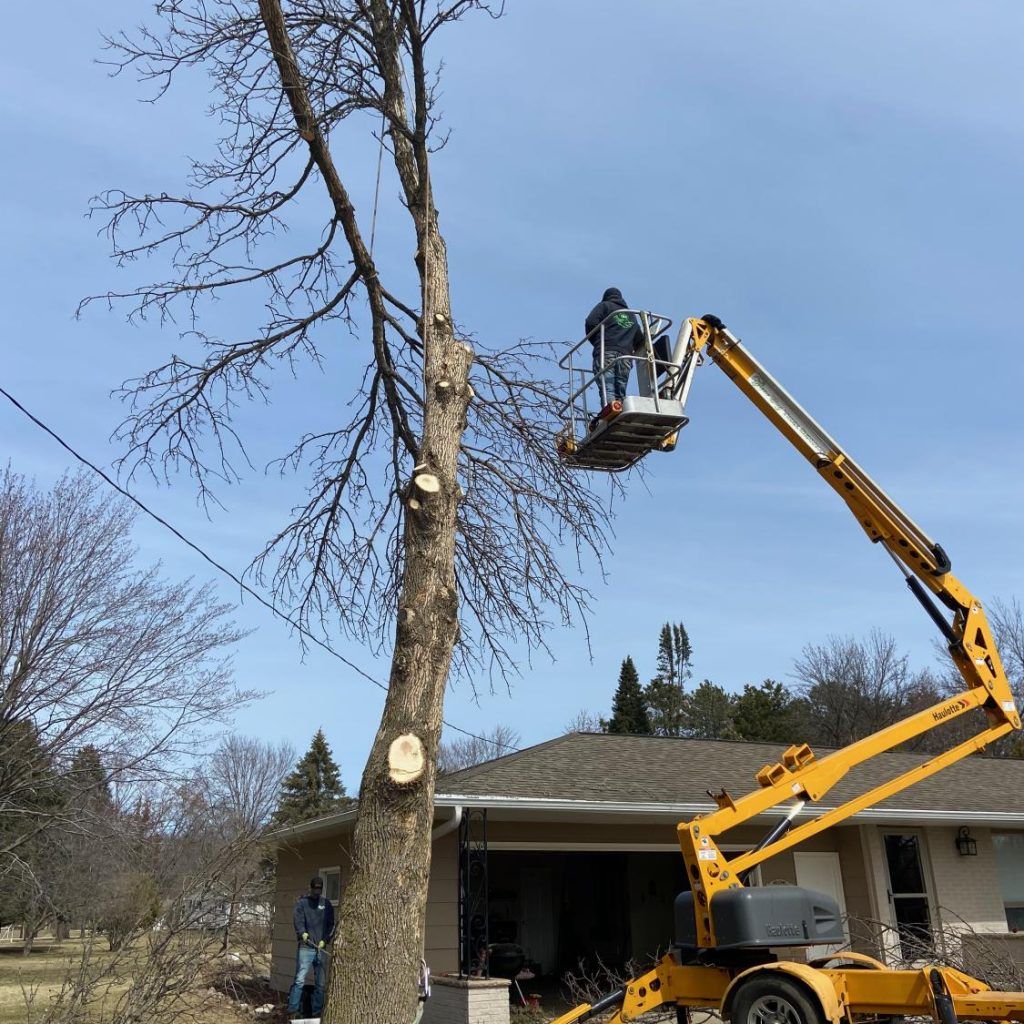
Tree removal is done strategically. In new builds, we commonly clear:
- Building footprint plus safe working buffer
- Driveway access and parking area
- Staging zones for materials
- Utility corridors
Step 5: Stump strategy: grind or remove
For build sites, stumps inside the footprint or grading zones are often handled immediately. Stump grinding can be a good fit in many cases, but full removal may be recommended when:
- The stump is inside foundation or slab footprint
- Deep grading is needed
- You’re concerned about settling in critical areas
Step 6: Debris management and hauling
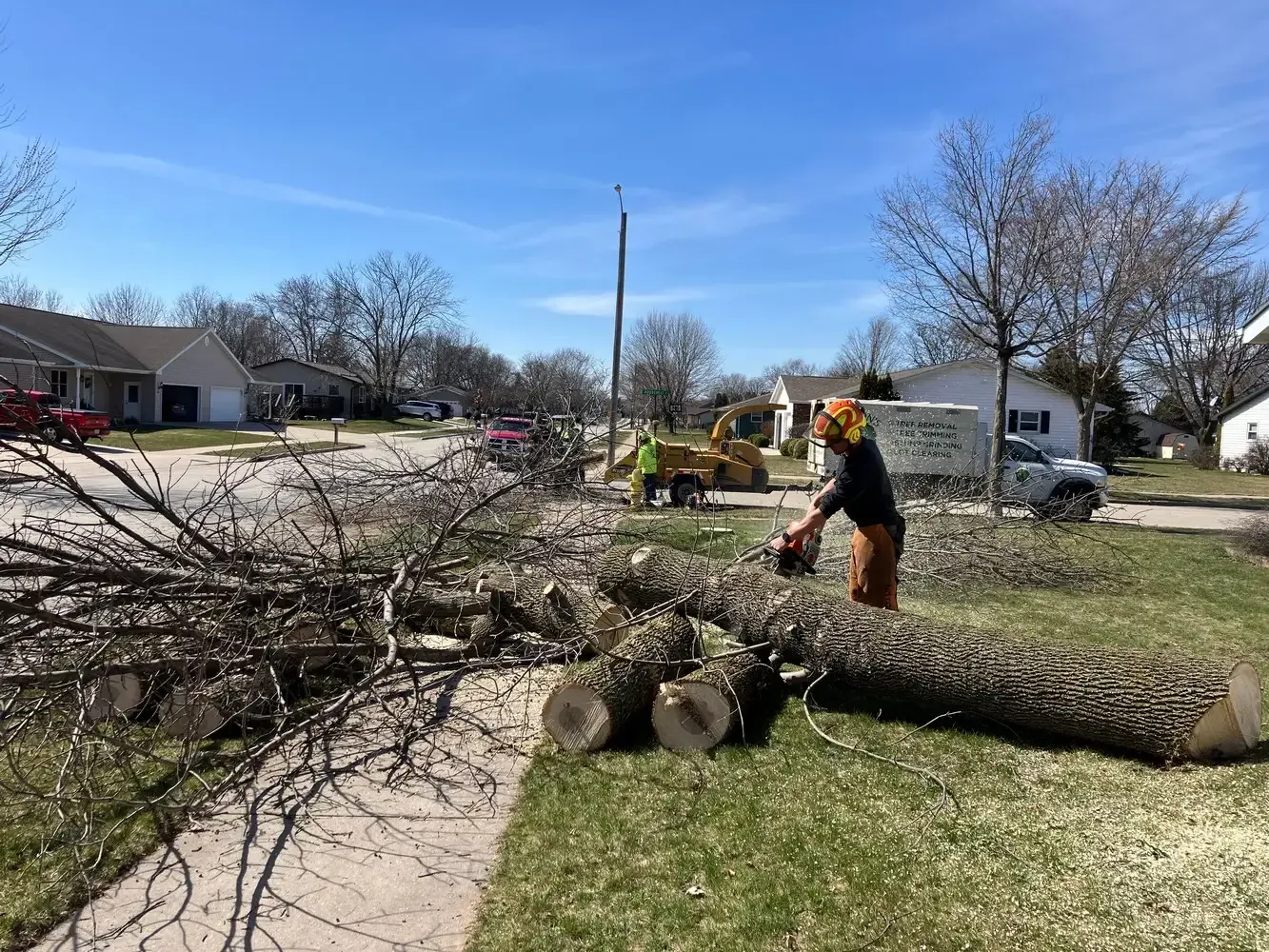
Clearing is only “done” when the site is clean enough for the next trade. We can chip brush, haul logs, and remove debris so your build team can move forward without delays.
Step 7: Final pass for access and readiness
We ensure access routes are practical for upcoming work—excavation, grading, concrete, and framing.
How to Prepare Your Lot Before Clearing Begins
A little preparation can speed things up and reduce confusion.
1) Confirm the general build layout
If you have a plot plan, building footprint, driveway location, and utility route idea, it helps define what needs cleared. Even a rough stake layout can be useful.
2) Identify property lines and easements
Clearing beyond your boundary can create problems. Mark property corners if possible, and know where easements are—especially utility easements.
3) Flag what stays and what goes
If there are trees you want to preserve, flag them clearly. If there are problem trees you definitely want removed, mark those too.
4) Locate underground utilities and private lines
Before any digging, grinding, or heavy work, identify utilities. Also consider private lines such as:
- Irrigation
- Invisible dog fences
- Power to sheds or detached garages
- Septic components
5) Clear personal items and obstacles
Remove anything you don’t want damaged or in the way:
- Old fencing sections
- Piles of scrap lumber
- Recreational equipment
- Stored materials
Common Questions Builders and Homeowners Ask
“Do we need to clear the entire lot?”
Not always. Many homeowners want to preserve privacy trees or mature shade trees. Selective clearing can reduce costs and keep the property’s natural feel, while still providing a clean build footprint.
“Will clearing affect drainage?”
It can—both positively and negatively—depending on how the site is managed afterward. Clearing opens the area for grading and drainage planning. After clearing, your excavation/grading crew typically shapes the ground to direct water away from the foundation and prevent pooling.
“When should land clearing happen in the schedule?”
As early as possible—ideally after surveying and before excavation and utility planning. Early clearing gives your team full visibility of the site and prevents last-minute removal conflicts.
“What happens to the wood?”
Options may include:
- Hauling and disposal
- Chipping brush for mulch
- Stacking logs if the owner wants firewood (when feasible)
The best approach depends on timeline, space, and your site plans.
A Testimony From a New Build Customer
We’ve built our reputation one job at a time, and we take pride in being the team builders call when the schedule matters.
“We were worried the lot would push our build back because it was thick with brush and trees. Frank’s Tree Service cleared it faster than we expected and kept everything organized. Our excavation crew was able to start right on time, and that made all the difference.”
That’s what professional land clearing should do: eliminate the early-stage obstacles that slow everything down.
Why Experience Matters in Land Clearing
Land clearing looks simple from the outside—cut, grind, haul. But new-build clearing has real stakes:
- Avoiding damage to neighboring properties
- Working safely around power lines and structures
- Preserving trees you want to keep
- Clearing for future grade and drainage needs
- Leaving a site that’s truly ready for excavation and foundation work
With nearly 30 years leading the way in tree removal and clearing solutions, Frank’s Tree Service brings the equipment, planning mindset, and real-world experience needed to keep your project moving.
Ready to Clear Your Lot and Keep Your Build on Track?
If you’re planning a new build and your lot needs trees, brush, or stumps removed, we’re here to help you start strong—with a clean site and a schedule that stays intact.
For a free quote, please reach out to Frank’s Tree Service at https://www.frankstreeservice.net/